Jervis Bay's Marine Life Exploration
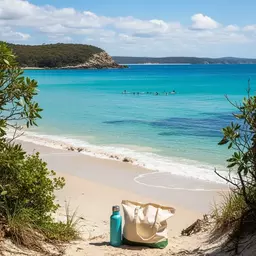
Have you ever wondered what lies beneath the surface of the sparkling waters of Jervis Bay? The breathtaking marine life in this coastal paradise offers a vibrant tapestry of experiences, waiting to be explored. With a mix of playful dolphins, majestic whales, and delicate sea dragons, Jervis Bay is a treasure trove for nature lovers and adventure seekers alike.
What You Will Learn
- Discover the rich biodiversity of the Jervis Bay Marine Park, where tropical and temperate waters overlap to create unique habitats.
- Encounter fascinating marine species, including playful bottlenose dolphins, majestic humpback whales, and the enchanting weedy sea dragon.
- Learn the optimal seasons to visit for spotting various marine life, including the best times for whale watching and snorkeling activities.
- Understand the importance of conservation and responsible wildlife interaction to preserve the pristine marine environment for future generations.
- Get essential family-friendly and beginner snorkeling tips, along with recommendations for the best snorkeling spots in Jervis Bay.
Optimal Seasons for Viewing Marine Life
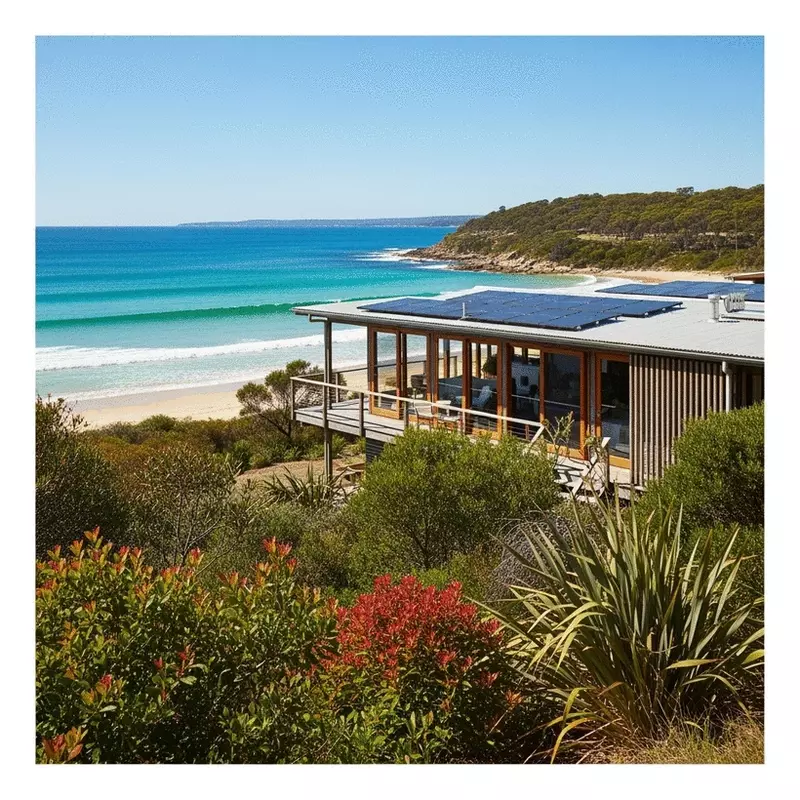
Seasonal variations in marine life activity in Jervis Bay can greatly enhance your viewing experience. Below is a breakdown of the best times to visit for witnessing specific marine species. For more details on planning your trip, consider exploring beachfront stays in Jervis Bay.
Winter (June to August)
Ideal for whale watching, particularly Humpback and Southern Right whales.
Spring (September to November)
Great for spotting dolphins and various fish species as they become more active.
Summer (December to February)
Perfect for snorkeling and enjoying warmer waters, with plenty of marine activity.
Autumn (March to May)
Minke whales may be seen, making it an intriguing time for whale enthusiasts.
Unveiling the Wealth of Jervis Bay's Marine Life
As a passionate travel enthusiast and advocate for the natural beauty of Jervis Bay, I'm excited to share the incredible marine life that resides in this stunning area. The Jervis Bay Marine Park is a treasure trove of biodiversity, making it a must-visit destination for anyone who loves nature. From playful dolphins to mesmerizing underwater landscapes, each visit to the bay offers a unique glimpse into the vibrant marine ecosystem that thrives beneath the waves.
Whether you're a seasoned snorkeler or a curious traveler, there's something truly captivating about exploring Jervis Bay's underwater world. Getting to know the diverse species that call these waters home not only enhances your adventure but also deepens your appreciation for this remarkable coastal paradise. Are you ready to dive in?
The Rich Biodiversity of Jervis Bay Marine Park
Jervis Bay Marine Park is renowned for its rich biodiversity, showcasing an impressive array of marine species that thrive in this unique environment. The combination of tropical and temperate waters creates an overlap of habitats, allowing for a diverse range of marine life to flourish, making it one of the best spots for wildlife enthusiasts. Learn more about wildlife encounters in Jervis Bay.
Here’s a glimpse of what you can expect to find in the marine park:
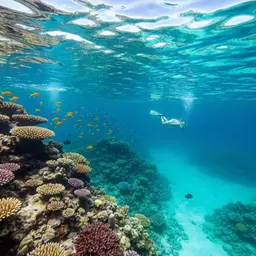
- Coral reefs teeming with colorful fish
- Seagrass beds serving as nurseries for various species
- Rocky reefs providing shelter for fascinating creatures
Understanding the Unique Habitat Overlap
The geographical features of Jervis Bay create a beautiful meeting point for different marine ecosystems. This overlap between tropical and temperate waters gives rise to a unique habitat that supports a variety of species. Imagine the thrill of encountering creatures that typically inhabit warmer waters alongside those from cooler climates!
By appreciating the delicate balance of these habitats, we can better understand how they contribute to the overall health of the marine environment. It's a reminder of the importance of preserving our natural world for future generations.
Tropical and Temperate Species: A Closer Look
When exploring Jervis Bay, you’ll discover a captivating mix of tropical and temperate species. This intersection allows you to encounter unique marine life, each with its own charm. Here are a few amazing species you might spot during your adventures:
- Bottlenose dolphins, known for their playful nature
- Sea turtles, often seen gliding gracefully through the water
- Weedy sea dragons, with their leafy appendages that camouflage them among the kelp
Highlight Species of Jervis Bay Marine Life
The marine life in Jervis Bay offers incredible opportunities for encounters with some truly fascinating species. As you venture out, be sure to keep your eyes peeled for these highlights:
- Bottlenose dolphins—playful and friendly, they often swim alongside boats!
- Humpback and Southern Right whales—their majestic presence is awe-inspiring
- Minke whales—known for their elusive behavior, spotting them is a special treat
- Grey nurse sharks—gentle giants that glide through the waters
- Weedy sea dragons—captivating creatures that seem to float among the kelp
- Sea turtles and fairy penguins—charming additions to the local marine life
Fascinating Encounters with Bottlenose Dolphins
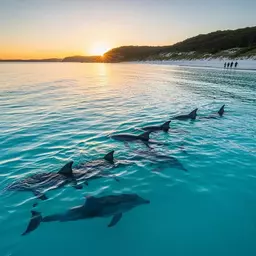
One of the highlights of visiting Jervis Bay is the chance to encounter the playful bottlenose dolphins. These intelligent creatures are known to ride the waves and interact with boats, providing unforgettable moments for visitors. Have you ever watched them leap and spin in the water? It’s a sight that fills the heart with joy!
Many local dolphin cruise operators offer tours, allowing you to get up close and personal with these amazing animals. The experience is not just about the dolphins; it’s about the stunning coastal scenery that surrounds you as well.
Whale Watching: Humpback and Southern Right Whales
Whale watching in Jervis Bay is an experience like no other! Between May and November, you can witness the magnificent humpback and Southern Right whales migrating through these waters. Their size and grace leave everyone in awe as they breach and spout.
To enhance your experience, consider booking a guided tour with knowledgeable operators who share fascinating insights about these gentle giants. It’s an adventure that you won’t forget!
Exploring the Minke Whales of Jervis Bay
Minke whales, though smaller than other species, are equally fascinating. These elusive creatures can sometimes be spotted in Jervis Bay, especially during the migration season. Look out for their streamlined bodies and distinctive dorsal fins as they surface for a breath! If you’re lucky, you might even witness their graceful dives.
Every sighting is unique, reminding us of the wonders that lie beneath the surface of the sea. Keep your camera ready—you won't want to miss capturing these moments!
Underwater Marvels: Grey Nurse Sharks and Weedy Sea Dragons
Exploring the underwater world of Jervis Bay reveals stunning species like the grey nurse sharks. These gentle creatures are often misunderstood, but they play a crucial role in the marine ecosystem. Snorkelers and divers can encounter them in their natural habitat, making for an exhilarating experience.
And let’s not forget the enchanting weedy sea dragons. Their unique appearance and ability to camouflage among the kelp make them a favorite among underwater enthusiasts. Spotting one of these delicate creatures is like finding a hidden treasure!
Discovering Sea Turtles and Fairy Penguins
Sea turtles are a common sight in Jervis Bay, often spotted gliding gracefully through the water. Their serene movements and charming faces make every encounter a special one. Have you ever watched a turtle peacefully munching on seagrass? It’s a delightful experience that connects you with nature.
Additionally, keep an eye out for the adorable fairy penguins. These small, quirky birds are a joy to observe as they waddle along the shore. As you explore the beaches, look for their nesting sites and enjoy the spectacle of these little creatures in their natural habitat.
Optimal Seasons for Viewing Marine Life
Understanding the best times to visit Jervis Bay can significantly enhance your marine life viewing experience. Each season brings unique opportunities to witness various species in action. Here’s a quick guide to help you plan your visit:
- May to November: Best time for whale watching
- Year-round: Dolphin sightings are common!
- Summer months: Great for snorkeling and diving experiences
Seasonal Migration Patterns: When to Visit
Each year, marine life migrates in search of warmer waters and breeding grounds. Understanding these patterns can help you catch sightings of your favorite species. For example, the migration of humpback whales typically peaks between July and September, while minke whales are often seen from May to November.
Planning your visit around these migration patterns can enhance your experience, providing you with the chance to see these magnificent creatures in their natural habitat.
Best Times for Dolphin and Whale Sightings
The best months for dolphin sightings are generally throughout the year, but peak times can vary. During the migration season, you’ll also have the added joy of spotting humpback and Southern Right whales. You can join local tours and cruises for the best chances of seeing these marine wonders!
Imagine the thrill of watching dolphins leap alongside your boat while whales breach in the distance! These moments are what make Jervis Bay such a special destination.
Year-Round Marine Life Viewing Opportunities
While some species have specific migration seasons, there are also amazing opportunities for marine life viewing year-round. Whether you’re interested in snorkeling among vibrant fish or simply enjoying the sight of dolphins playing in the surf, there’s always something to see in Jervis Bay. It’s truly a treasure trove of natural beauty!
So, grab your gear and get ready for an unforgettable journey into the marine wonders of Jervis Bay!
Snorkeling and Diving Experiences in Jervis Bay
Exploring the underwater world of Jervis Bay through snorkeling and diving is an adventure you won’t want to miss! The region offers some of the best spots for aquatic encounters. If you're wondering where to start, here are a few top recommendations:
- Huskisson Beach: A family-friendly spot with plenty of marine life!
- Shark Net Beach: A popular location for spotting grey nurse sharks
- Booderee National Park: Offers stunning underwater scenery and diverse species
Top Snorkeling Spots for Marine Encounters
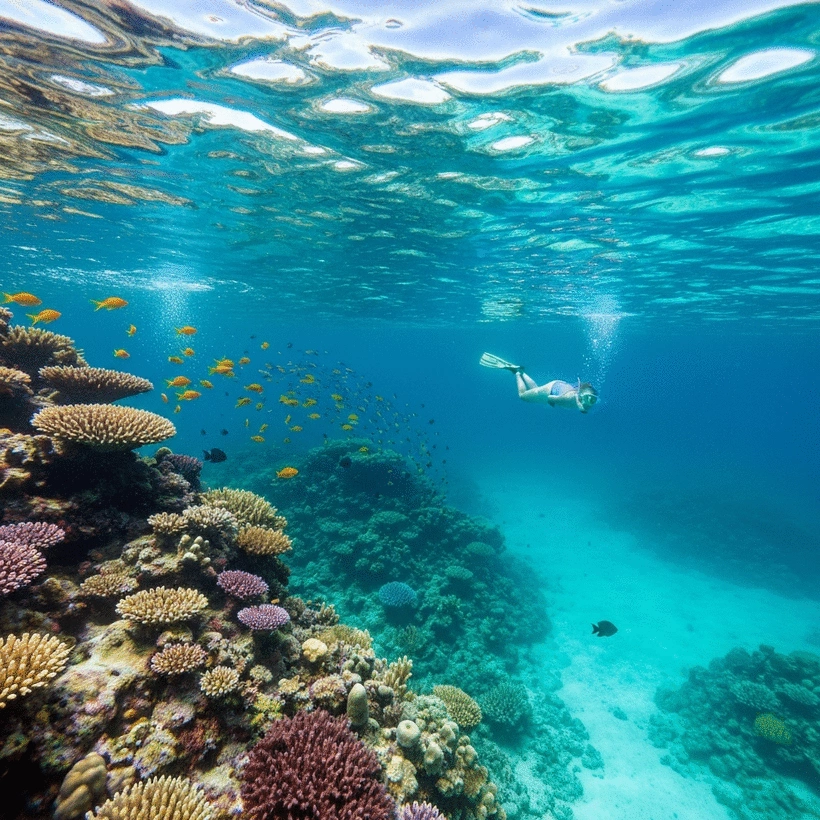
Huskisson’s gentle waters are perfect for both beginners and experienced snorkelers. This beach is teeming with colorful fish and an array of marine life, making it an ideal first stop. The vibrant undersea gardens will leave you in awe!
For a more adventurous experience, check out the shallow reefs in Booderee National Park. The diverse marine ecosystem here will provide you with unforgettable encounters with local wildlife.
Scuba Diving Locations and What to Expect
For those looking for an exhilarating scuba diving experience, Jervis Bay won't disappoint! You'll find several diving spots that cater to different skill levels. Here’s what to expect during your dives:
- Shark Net Beach: Encounter grey nurse sharks while exploring the rocky reefs
- The Bommie: Dive into a vibrant underwater garden that is home to diverse fish species
- Crescent Head: An advanced dive with deeper waters and unique underwater formations
Underwater Photography Tips for Snorkelers and Divers
Capturing the beauty of Jervis Bay’s marine life is a rewarding challenge! Here are some tips for taking stunning underwater photos:
- Use a waterproof camera or housing to protect your equipment
- Maintain a steady hand to avoid blurriness in your photos
- Get close to your subjects for better detail and clarity
With these tips, you’ll be able to capture the magic of your underwater adventures and create lasting memories of your time in Jervis Bay!
Understanding Conservation and Responsible Wildlife Interaction
As we explore the incredible marine life of Jervis Bay, it’s essential to remember our role in protecting these ecosystems. Responsible tourism practices will ensure that future generations can enjoy the same wonders that we do today. Here are some guidelines to keep in mind:
- Respect wildlife: Keep a safe distance from animals and avoid touching them
- Follow local guidelines: Adhere to park regulations and instructions from tour guides
- Minimize your impact: Take only photos and leave only footprints
Guidelines for Safe and Respectful Wildlife Viewing
When observing marine life, it's important to do so in a way that minimizes disturbances. Use respectful viewing distances and keep noise levels low to avoid stressing the animals. Many local tours emphasize eco-friendly practices that promote the well-being of marine life.
These guidelines help create a harmonious relationship between visitors and the marine environment. It’s our responsibility to cherish and protect the wonders of Jervis Bay!
Impact of Human Activity on Marine Ecosystems
Human activity can have significant impacts on marine ecosystems, from pollution to habitat destruction. By understanding these effects, we can make informed choices that promote sustainability. Every small action counts, whether it’s choosing eco-friendly products or participating in local clean-up efforts.
Embracing a conservation mindset not only benefits the environment but enhances our own experiences in Jervis Bay. After all, it’s the breathtaking beauty of this coastal paradise that draws us in!
Marine Conservation Efforts and Habitat Preservation
Many organizations and volunteers are dedicated to protecting the unique marine ecosystems of Jervis Bay. These efforts focus on habitat preservation, wildlife protection, and community education. Joining local conservation programs can be a fulfilling way to engage with the environment while making a positive impact.
By supporting these initiatives, we contribute to the continued health of Jervis Bay’s marine life, ensuring that its wonders are preserved for years to come. Together, we can make a difference!
Pro Tip
Before you dive into the waters of Jervis Bay, consider joining a local conservation program. Not only will you gain valuable insights from marine biologists, but you'll also contribute positively to the preservation of these incredible ecosystems. Engaging in conservation efforts enhances your understanding of marine life and allows you to play an active role in protecting Jervis Bay's natural beauty.
Planning Your Jervis Bay Marine Adventure
When it comes to exploring the spectacular marine life of Jervis Bay, planning is key! Whether you're a seasoned snorkeler or a family just looking for fun, I have some essential tips to help you make the most of your adventure. With the right preparations, your visit can turn into a memorable experience that enhances your connection with this magnificent coastal paradise. To learn more about sustainable travel tips for Jervis Bay, click here.
One of the first things you might want to consider is how to ensure everyone can enjoy the adventure. Jervis Bay is a fantastic family destination, and there are plenty of options for visitors of all ages and experience levels. Let's dive into some family-friendly tips for a fun-filled snorkeling experience!
Essential Tips for Family-Friendly and Beginner Snorkeling
Snorkeling can be a thrilling activity, especially for beginners and families. Here are some tips to make your experience safe and enjoyable:
- Choose the Right Location: Start at calm, shallow areas ideal for beginners, like the beaches at Hyams Beach or Green Patch.
- Equipment Check: Make sure to rent or purchase high-quality snorkeling gear, including masks, snorkels, and fins that fit comfortably.
- Buddy System: Always snorkel with a buddy! It’s safer and more fun to explore together.
- Stay Calm: Encourage everyone to stay calm and take their time adjusting to the water. Practice floating and breathing through the snorkel before diving in.
As you venture out, remember that safety should always come first. Also, keep an eye on the weather and tide conditions, as they can affect visibility and currents.
Accessibility Considerations for All Visitors
Jervis Bay is committed to ensuring everyone can enjoy its stunning marine environments. Many locations have facilities that cater to those with mobility challenges. Look for:
- Accessible Beaches: Some beaches offer ramps and smooth paths for easier access.
- Adapted Snorkeling Equipment: Check local rental shops for equipment that caters to diverse needs.
- Guided Tours: Consider joining a guided snorkeling tour that focuses on accessibility.
By planning ahead and knowing your options, everyone can have an unforgettable experience at Jervis Bay!
Beginner's Guide to Safe Snorkeling Practices
For beginners, understanding safety is crucial to enjoying snorkeling. Here are some important practices to follow:
- Stay Within Designated Areas: Always snorkel in marked zones to ensure your safety and the protection of marine life.
- Observe Marine Life from a Distance: Keep a respectful distance from animals, and never touch or feed them.
- Know Your Limits: If you feel uncomfortable or tired, take a break or return to shore.
By following these tips, you can safely explore Jervis Bay's underwater world while enjoying the vibrant scenery and marine life!
Interactive Resources for Marine Life Exploration
Exploring Jervis Bay's marine life can be even more exciting with the right tools! Here are some interactive resources to enhance your adventure:
- Visual Species Guide: Use a guide that helps you recognize local marine wildlife, making it easier to identify creatures as you snorkel.
- Mobile Apps: Consider downloading apps that provide information on marine species and their habitats.
- Local Tours: Join guided tours that offer educational insights into the marine ecosystem while diving or snorkeling.
Using these resources not only elevates your experience but also deepens your appreciation for Jervis Bay's unique marine environment!
Seasonal Sighting Calendar for Planning Visits
Planning your visit around seasonal wildlife activity can significantly enhance your experience. Here are some key times to consider:
- Winter (June to August): Ideal for whale watching, particularly Humpback and Southern Right whales.
- Spring (September to November): A great time for spotting dolphins and various fish species as they become more active.
- Summer (December to February): Perfect for snorkeling and enjoying warmer waters, with plenty of marine activity.
- Autumn (March to May): Minke whales may be seen, making it an intriguing time for whale enthusiasts.
By planning your visit accordingly, you can take full advantage of the incredible marine life that thrives in Jervis Bay!
FAQs on Jervis Bay's Marine Life and Activities
As you prepare for your underwater adventure, you might have some questions. Here are answers to some frequently asked questions:
Can You See Dolphins in Jervis Bay Year-Round?
Yes! Bottlenose dolphins can be spotted in Jervis Bay throughout the year, offering many opportunities for encounters. For amazing dolphin cruises in Jervis Bay, check out local operators.
Where to Snorkel in Jervis Bay for Best Marine Encounters?
For the best marine experiences, consider snorkeling at:
- Hyams Beach
- Green Patch
- Chinamans Beach
What Fish Species Can Be Found in Jervis Bay?
Jervis Bay is home to an array of fish species, including:
- Treasures like the Mullet
- Colorful Parrotfish
- Graceful Gropers
With its rich biodiversity, you’re sure to have an exciting and educational experience while snorkeling!
What is the Jervis Bay Marine Park known for?
The Jervis Bay Marine Park is known for its rich biodiversity, where tropical and temperate waters converge, fostering a unique habitat for a wide array of marine species including dolphins, whales, and sea dragons.
When is the best time for whale watching in Jervis Bay?
The optimal season for whale watching in Jervis Bay is during winter, from June to August, when Humpback and Southern Right whales migrate through the waters. Minke whales may also be seen during autumn, from March to May.
Are there opportunities for snorkeling and diving in Jervis Bay?
Yes, Jervis Bay offers excellent opportunities for both snorkeling and diving. Popular spots include Huskisson Beach for beginners, Shark Net Beach for encountering grey nurse sharks, and Booderee National Park for diverse marine encounters.
How can visitors contribute to marine conservation in Jervis Bay?
Visitors can contribute to marine conservation by respecting wildlife, maintaining safe distances, following local guidelines, minimizing their impact, and considering participation in local conservation programs or eco-friendly tours.
What marine species can be seen year-round in Jervis Bay?
Bottlenose dolphins can be spotted in Jervis Bay throughout the year. Additionally, various fish species, sea turtles, and fairy penguins offer year-round viewing opportunities.
Conclusion: Embracing Conservation and Adventure
As we wrap up our marine adventure planning, I hope you feel inspired to explore the unique experiences awaiting you in Jervis Bay. Remember, embracing the beauty of this area comes with a responsibility to protect its incredible marine ecosystems!
Let’s work together to promote conservation and respectful wildlife exploration. After all, each visit contributes to preserving the stunning nature we all love. Are you ready for an unforgettable adventure in Jervis Bay?
Recap of Key Points
Here is a quick recap of the important points discussed in the article:
- Jervis Bay Marine Park: A biodiversity hotspot with a mix of tropical and temperate marine life.
- Highlight Species: Look for bottlenose dolphins, humpback whales, grey nurse sharks, and vibrant coral reefs.
- Optimal Seasons: May to November is best for whale watching, while year-round opportunities exist for dolphin sightings.
- Snorkeling and Diving: Recommended locations include Huskisson Beach and Shark Net Beach for diverse marine encounters.
- Conservation Practices: Respect wildlife, follow local guidelines, and engage in responsible tourism to protect marine ecosystems.
- Family-Friendly Tips: Choose calm locations, ensure equipment fits well, and always snorkel with a buddy.